Discount Tobacco Delivered to Your Home
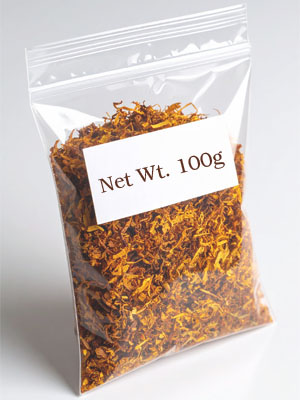
100g Organic Tobacco with no chemical additives
 Nicotine, which is almost universally vilified as the villain behind smoking-related diseases, might hold untapped therapeutic potential. Imagine this: an alkaloid long condemned by the main-stream medical community, could alleviate symptoms of Parkinson's, enhance cognitive function, or even regulate inflammatory diseases.
Nicotine's role as a cognitive enhancer is a revelation that challenges its entrenched association with harm. Research into nicotinic acetylcholine receptors (nAChRs) reveals their critical function in modulating attention, memory, and neuroplasticity. These receptors, when activated by nicotine, stimulate the release of neurotransmitters like dopamine and acetylcholine, creating a cascade of neural benefits. Studies have shown that microdoses of nicotine can improve working memory and focus in individuals with cognitive impairments, offering a potential breakthrough for conditions like Alzheimer's or ADHD.
§ Understanding Nicotine's Mechanism of Action §
Nicotine operates as a molecular locksmith, unlocking nicotinic acetylcholine receptors (nAChRs) to modulate neural activity. These receptors, abundant in the brain, act as gatekeepers for neurotransmitter release. When nicotine binds, it triggers a cascade: dopamine for reward, glutamate for learning, and acetylcholine for focus. Think of it as flipping switches in a neural control room, fine-tuning cognitive and emotional responses.
Unexpectedly, nicotine's effects vary by receptor subtype. For instance, a7 nAChRs enhance memory by boosting synaptic plasticity, while a4β2 receptors regulate mood and vigilance.
Case studies in Alzheimer's research reveal nicotine's ability to reduce amyloid plaque, hinting at neuroprotective potential. Yet, misconceptions persist, conflating nicotine with tobacco's harms. By embracing its receptor-targeting precision, we can reimagine nicotine as a tool for cognitive restoration, bridging neuroscience and therapeutic innovation.
Interaction with the Nervous System
Nicotine's interaction with the nervous system is a masterclass in precision engineering. By binding to nAChRs, it doesn't just activate neurons - it orchestrates a symphony of neural communication. A standout example is its effect on the prefrontal cortex, the brain's executive hub. Here, nicotine enhances synaptic efficiency, improving attention and decision-making. This is why microdoses are being explored as treatments for ADHD, offering a targeted alternative to traditional stimulants.
What's fascinating is nicotine's dual role: it excites neurons while simultaneously desensitizing receptors, creating a self-regulating feedback loop. This mechanism has implications for mood disorders, where overstimulation of neural circuits often leads to burnout. Emerging research even links nicotine to neurogenesis, suggesting it may help repair damaged pathways in conditions like Parkinson's.
The takeaway? Nicotine's nuanced interaction with the nervous system challenges its vilified reputation, opening doors to therapies that blend neuroscience with precision medicine. The future lies in harnessing this complexity.
Nicotine and Cholinergic Pathways
Nicotine's influence on cholinergic pathways reveals a fascinating interplay between neurotransmitter dynamics and cognitive function. By targeting nAChRs, nicotine amplifies acetylcholine release, a neurotransmitter critical for learning, memory, and sensory processing. This mechanism is particularly potent in the hippocampus, where enhanced cholinergic signaling strengthens synaptic plasticity, a cornerstone of long-term memory formation.
What's less discussed is nicotine's role in modulating the balance between excitatory and inhibitory signals. For instance, it fine-tunes GABAergic activity, preventing overstimulation in neural circuits – a potential game-changer for treating epilepsy or anxiety disorders. Additionally, its impact on cholinergic anti-inflammatory pathways suggests applications in neuroinflammation, linking nicotine to emerging treatments for multiple sclerosis and other autoimmune conditions.
The real-world implications are profound: nicotine could serve as a bridge between neurology and immunology, challenging its stigma. Future therapies might leverage its precision to recalibrate disrupted cholinergic systems, unlocking new frontiers in personalized medicine.
§ Therapeutic Potential in Neurological Disorders §
Nicotine's therapeutic potential in neurological disorders is a paradox worth exploring. Its ability to activate nAChRs offers a unique avenue for neuroprotection. For example, studies on Alzheimer's disease reveal that nicotine reduces amyloid plaque formation and enhances synaptic plasticity, akin to upgrading a computer's processing speed. Similarly, in Parkinson's disease, nicotine's activation of a6* nAChRs in the striatum has shown promise in preserving motor function, as demonstrated in primate models.
Unexpectedly, nicotine's anti-inflammatory properties extend its reach to autoimmune conditions like multiple sclerosis, where it modulates immune responses via cholinergic pathways. This dual role - neuroprotective and immunomodulatory - challenges the misconception that nicotine is purely harmful.
Imagine nicotine as a molecular Swiss Army knife: versatile, precise, and underutilized. By reframing its narrative, we unlock its potential to bridge gaps between neurology, immunology, and personalized medicine.
Alzheimer's Disease: Cognitive Enhancement
Nicotine's role in Alzheimer's disease is like a master key unlocking cognitive resilience. By targeting a7 nAChRs, nicotine not only boosts acetylcholine release but also activates pro-survival signaling pathways, such as PI3K and Akt, which protect neurons from amyloid toxicity. A 2007 study demonstrated that chronic nicotine treatment in transgenic mice reduced amyloid-beta accumulation in the hippocampus, a region critical for memory. This effect is akin to clearing debris from a highway, allowing neural signals to flow freely.
What's less obvious is nicotine's ability to stabilize synaptic proteins, enhancing long-term potentiation – the brain's mechanism for learning. This positions nicotine as a potential adjunct to acetylcholinesterase inhibitors, amplifying their effects on neurotransmitter availability.
The implications? A future where microdosed nicotine patches could delay cognitive decline, bridging pharmacology and biohacking. By challenging nicotine's stigma, we open doors to therapies that not only treat but potentially transform neurodegenerative care.
Parkinson's Disease: Symptom Management
Nicotine's potential in Parkinson's disease (PD) lies in its ability to modulate dopaminergic pathways, particularly through a6* nAChRs in the striatum. This mechanism enhances dopamine release, counteracting the hallmark motor deficits of PD, such as bradykinesia and rigidity. A 2011 study by Quik et al. revealed that nicotine-treated primates exhibited improved motor coordination, suggesting its role as a non-invasive dopaminergic enhancer.
What's fascinating is nicotine's dual action: it not only boosts dopamine but also reduces neuroinflammation by suppressing microglial activation. This anti-inflammatory effect addresses the oxidative stress that accelerates neuronal degeneration, a lesser-known but critical factor in PD progression.
Imagine integrating nicotine into wearable tech – microdosed transdermal patches tailored to individual dopamine levels. This approach could complement existing therapies like levodopa, mitigating its long-term side effects. By reframing nicotine as a precision tool, we unlock a future where symptom management evolves into neuroprotection, reshaping PD care entirely.
§ Anti-Inflammatory Properties of Nicotine §
Nicotine's anti-inflammatory prowess operates like a finely tuned orchestra, leveraging the cholinergic anti-inflammatory pathway to suppress cytokine storms. By activating a7 nAChRs on macrophages, nicotine reduces pro-inflammatory mediators like IL-6 and TNF-a, as seen in autoimmune myocarditis models. A 2020 study demonstrated that nicotine-treated mice exhibited decreased cardiac fibrosis and inflammation, underscoring its therapeutic potential.
What's unexpected? Nicotine's ability to modulate immune cell behavior extends beyond neurons, influencing epithelial cells and even adipocytes. This cross-disciplinary impact bridges neurology and immunology, offering a novel lens for treating conditions like rheumatoid arthritis and colitis.
Yet, misconceptions persist. Nicotine isn't a blunt instrument; it's a scalpel, precise and context-dependent. Imagine microdosed nicotine as a tool to recalibrate immune responses in chronic diseases. By reframing nicotine as a molecular mediator rather than a vice, we unlock its potential to redefine inflammation management across medical disciplines.
Modulation of Immune Responses
Nicotine's ability to modulate immune responses hinges on its interaction with a7 nAChRs, acting as a molecular switch for inflammation. When activated, these receptors inhibit NF-κB signaling, a key driver of chronic inflammation. For instance, in ulcerative colitis models, nicotine reduced TNF-α levels while preserving gut barrier integrity – a dual action that redefines how we approach autoimmune diseases.
Here's the kicker: nicotine doesn't just suppress inflammation; it recalibrates immune balance. By enhancing regulatory T cell (Treg) activity, it promotes tolerance, a game-changer for conditions like rheumatoid arthritis. This nuanced control challenges the outdated narrative of nicotine as purely harmful.
Imagine leveraging this mechanism in precision medicine – tailored nicotine therapies could fine-tune immune responses without broad immunosuppression. The implications ripple across disciplines, from oncology to transplant medicine, where immune modulation is critical. Nicotine, when wielded wisely, could transform how we heal inflammation at its core.
Applications in Inflammatory Bowel Disease
Nicotine's role in inflammatory bowel disease (IBD) is a masterclass in targeted intervention. By activating a7 nAChRs, nicotine suppresses pro-inflammatory cytokines like IL-1β and TNF-α, while simultaneously enhancing epithelial barrier function. This dual mechanism is particularly effective in ulcerative colitis, where nicotine reduces mucosal inflammation and promotes gut homeostasis.
What's often overlooked? The parasympathetic nervous system's role in mediating these effects. Nicotine's interaction with the vagus nerve highlights its potential to recalibrate gut-brain signaling, opening doors to integrative therapies. Future frameworks could combine nicotine microdosing with probiotics, creating a synergistic approach to IBD management that redefines chronic care.
§ Nicotine in Mental Health Treatments §
Nicotine's potential in mental health treatments is a paradigm shift waiting to happen. By targeting nicotinic acetylcholine receptors (nAChRs), nicotine modulates neurotransmitter systems like dopamine and serotonin, directly influencing mood and cognitive function. For instance, studies suggest nicotine can alleviate symptoms of depression by enhancing prefrontal cortex activity, akin to fast-acting antidepressants.
Here's the curveball: nicotine's effects on attention and memory have shown promise in managing ADHD, offering an alternative to stimulant medications. A 2016 clinical trial revealed that controlled nicotine delivery improved focus in adults with ADHD without triggering dependency.
What's often missed? Nicotine's role in reducing anxiety through the cholinergic anti-inflammatory pathway, linking mental health to immune regulation. Imagine a future where microdosed nicotine patches complement cognitive-behavioral therapy, creating a holistic approach to mental health. This isn't just treatment – it's a redefinition of how we view neuropsychiatric care.
Depression and Mood Regulation
Nicotine's impact on depression hinges on its ability to recalibrate the brain's reward and stress systems. By activating nAChRs, nicotine enhances dopamine release in the mesolimbic pathway, counteracting the anhedonia often seen in depressive disorders. This mechanism mirrors the effects of fast-acting antidepressants, but with a unique twist: nicotine also modulates norepinephrine and serotonin, creating a multi-layered approach to mood regulation.
Here's where it gets fascinating: a 2018 study on late-life depression found that transdermal nicotine patches significantly reduced depressive symptoms in patients unresponsive to traditional treatments. This suggests nicotine could serve as a lifeline for treatment-resistant cases.
But the real game-changer? Nicotine's anti-inflammatory properties, which link depression to immune dysregulation. This opens the door to interdisciplinary treatments combining nicotine with therapies targeting gut health or chronic inflammation. The future isn't just about symptom relief – it's about reengineering the biological underpinnings of mood disorders.
Attention Deficit Hyperactivity Disorder (ADHD)
Nicotine's potential in ADHD treatment lies in its ability to fine-tune cognitive processes through nAChR activation. Unlike traditional stimulants, nicotine enhances sustained attention and working memory by modulating acetylcholine and dopamine pathways simultaneously. This dual-action mechanism addresses both inattention and impulsivity - core ADHD symptoms - without the pronounced peaks and troughs of conventional medications.
A groundbreaking study revealed that microdosed nicotine patches reduced ADHD symptoms by 8% in just two days, even in non-smokers. This suggests nicotine could serve as a non-invasive adjunct to existing therapies, particularly for patients who experience side effects from stimulants.
What's often overlooked? Nicotine's role in improving inhibitory control, a critical factor in emotional regulation. This positions it as a bridge between ADHD and related conditions like anxiety. By integrating nicotine into wearable tech or biofeedback systems, we could pioneer personalized, stigma-free treatments that redefine ADHD care for the modern age.